Virtual Idol Dressing: The Dilemma of Materializing Digital Haute Couture

Aug 1, 2025 By

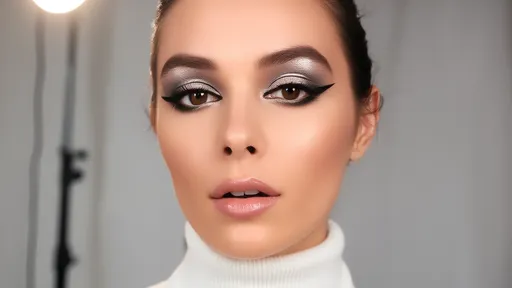
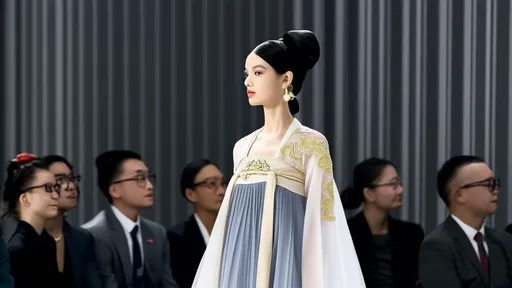
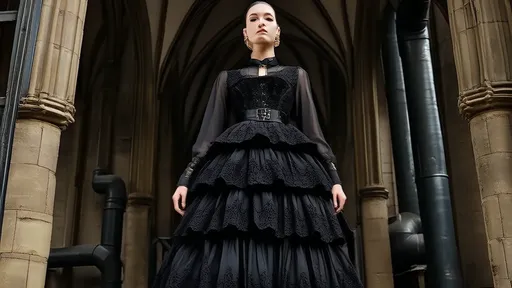
The emergence of virtual idols has revolutionized the entertainment and fashion industries, blending digital artistry with cutting-edge technology. These computer-generated personas, often indistinguishable from real humans, have amassed millions of followers and even graced virtual runways in haute couture shows. Yet, as designers attempt to translate their digital garments into physical reality, they encounter a labyrinth of technical, creative, and commercial challenges.

The Allure of Digital Couture

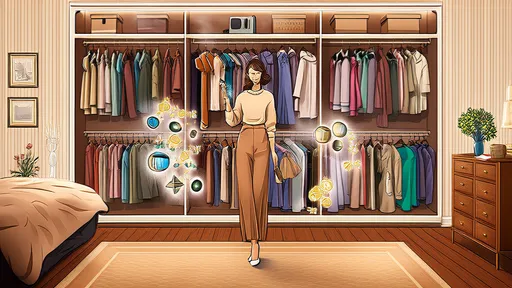
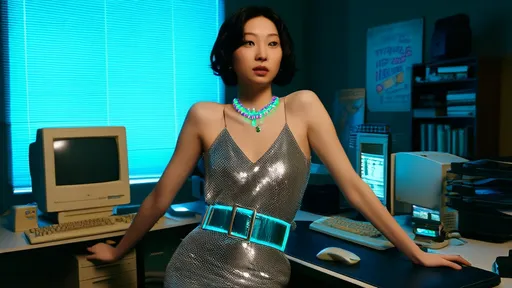
Virtual idols wear outfits that defy the laws of physics—floating fabrics, luminescent materials, and shapes that morph in real-time. Designers working in the digital realm enjoy boundless freedom, unconstrained by fabric limitations, tailoring techniques, or even gravity. Brands like Balmain and Prada have collaborated with virtual influencers, creating collections that exist purely in the metaverse. These garments are not just clothing; they are dynamic art pieces, often animated to react to music or audience interaction.

However, the moment these designs step into the physical world, the dream collides with reality. A dress that appears to dissolve into pixels on-screen cannot simply be replicated with sequins and thread. The very elements that make digital fashion mesmerizing—its fluidity, its impossibility—become barriers to tangible execution.

Materializing the Immaterial

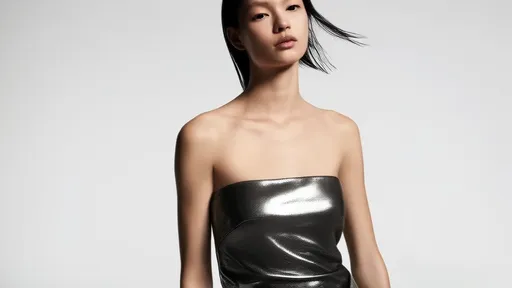
The core challenge lies in bridging the gap between pixels and textiles. Digital designers rely on software like Clo3D or Marvelous Designer, where fabrics can be programmed to behave in ways real-world materials never could. Translating these designs requires not just skilled tailors but engineers and material scientists. For instance, a "liquid metal" effect achieved through shaders in a 3D model demands innovative metallized fabrics or even embedded electronics to mimic the same reflective, flowing appearance.

Some pioneers are experimenting with 3D printing, thermo-reactive textiles, and even augmented reality (AR) layers to preserve the digital essence. Dutch designer Iris van Herpen, known for her fusion of technology and fashion, has successfully incorporated 3D-printed elements into her physical collections. Yet, these methods remain prohibitively expensive and time-consuming, far from the scalability needed for mainstream adoption.

The Cost of Innovation

Even when technical hurdles are overcome, economic realities loom large. A single digitally conceived gown might require thousands of dollars in R&D and specialized manufacturing, rendering it inaccessible to all but the wealthiest clients or museums. High fashion has always been aspirational, but digital couture risks becoming purely theoretical—admired on screens but absent from wardrobes.

Moreover, the lifecycle of digital fashion clashes with traditional industry timelines. Virtual outfits can be updated or discarded with a click, whereas physical garments must account for durability, wearability, and seasonal trends. This disconnect forces designers to either simplify their visions or accept that their physical iterations will be pale shadows of the digital originals.

Cultural Perception and Identity

Beyond logistics, there’s a philosophical tension. Virtual idols exist as malleable entities, their appearances altered effortlessly to suit new campaigns or aesthetics. Their clothing is part of their identity—an identity that is fluid and ever-evolving. Physical fashion, by contrast, carries weight—both literal and metaphorical. A coat isn’t just a visual statement; it’s an object with texture, smell, and presence.

Consumers accustomed to the perfection of digital avatars may find real-world counterparts disappointing. A virtual idol’s outfit never wrinkles, never stains, and fits flawlessly in every pixel. Human bodies, with their imperfections and individuality, resist such uniformity. Designers must navigate these expectations, deciding whether to chase digital fidelity or embrace the organic beauty of physicality.

Hybrid Horizons

The solution may lie in hybrid experiences. Brands like Gucci have already experimented with AR try-ons, allowing users to "wear" digital-only pieces via smartphone cameras. This approach sidesteps production challenges while retaining the magic of virtual design. Similarly, NFTs linked to physical garments could offer buyers exclusive digital twins, merging both worlds.

Yet, purists argue that this isn’t true "materialization." The dream of touching a virtual idol’s ethereal gown remains elusive. As technology advances—with developments like programmable matter or nano-textiles—the divide may narrow. For now, the journey from digital haute couture to physical wardrobe staples is fraught with compromise, reminding us that some beauty is born to remain just beyond our grasp.
Recommend Posts
Fashion

Extreme Earring Size: Miniature vs. Gigantic

By /Aug 1, 2025

The fashion world thrives on contrasts, and nowhere is this more evident than in the current jewelry trend that pits microscopic earrings against gargantuan statement pieces. This radical polarization in earring sizes creates a visual tension that designers are exploiting to make bold artistic statements. What began as subtle experimentation on avant-garde runways has now trickled down to mainstream accessory collections, challenging conventional notions of proportion and wearability.
Fashion

Defining the Waistline: Stylistic Declarations of Different Widths

By /Aug 1, 2025

The waistline has long been a focal point in fashion, serving as both a structural element and a stylistic statement. From the cinched waists of Victorian corsetry to the dropped waists of flapper dresses, how we define this central axis speaks volumes about cultural ideals and personal expression. In contemporary fashion, the belt has emerged as the ultimate tool for waist definition – a versatile accessory that can dramatically alter silhouettes and convey distinct style philosophies.
Fashion

Redefining Plagiarism: Inspiration and Legal Boundaries"

By /Aug 1, 2025

The creative world thrives on inspiration, yet trembles at the accusation of plagiarism. This paradoxical relationship between artistic borrowing and intellectual property theft has spawned endless debates in courtrooms, classrooms, and creative studios alike. As cultural production accelerates in the digital age, the line between homage and theft grows increasingly blurred.
Fashion

Fragrance Wardrobe: The Formula for Matching Clothing with Scent

By /Aug 1, 2025

The concept of a fragrance wardrobe has quietly revolutionized the way we think about personal style. Much like how we curate our closets with carefully selected garments, the idea of pairing scents with outfits has emerged as a subtle yet powerful form of self-expression. This isn’t about dousing yourself in perfume; it’s about creating an olfactory harmony that complements your attire, mood, and the occasion. The marriage of fashion and fragrance is an art form, one that requires intuition, experimentation, and a keen understanding of how scent interacts with fabric, skin, and even the air around us.
Fashion

The Slow Fashion Paradox: The Gap Between Consumer Claims and Practices

By /Aug 1, 2025

The fashion industry stands at a crossroads, with sustainability becoming the buzzword of the decade. Consumers increasingly declare their commitment to slow fashion, yet retail data tells a contradictory story. This glaring gap between intention and action forms what researchers now call the slow fashion paradox - a phenomenon reshaping how brands market sustainability and how shoppers justify their purchases.
Fashion

Nail Fashionization: Mini Handbags and High Heels on Fingernail Art

By /Aug 1, 2025

The world of nail art has evolved far beyond simple polish and glitter. In recent seasons, manicures have become a canvas for avant-garde fashion statements, blurring the lines between beauty accessories and wearable art. The latest trend taking over Instagram and high-fashion runways? Miniature handbags and stiletto heels adorning fingertips in what can only be described as haute couture for nails.
Fashion

Runway Makeup for Everyday: Transforming Bold Catwalk Looks into Daily Wear

By /Aug 1, 2025

The world of high fashion is a spectacle of creativity, where makeup artists push boundaries with bold colors, graphic lines, and unconventional textures. What struts down the runway, however, rarely translates directly to school drop-offs or office meetings. Yet there’s an art—and a growing demand—for distilling these dramatic looks into wearable, approachable versions. This isn’t about dilution; it’s about adaptation.
Fashion

Chinese Aesthetic Influence: The Global Runway Reception of Han Elements

By /Aug 1, 2025

The global fashion landscape has witnessed a quiet revolution over the past decade, as Eastern aesthetics gradually weave their way into Western-dominated runways. Among these influences, Hanfu elements—rooted in China’s Han dynasty traditions—have emerged as a distinctive cultural force. Unlike the fleeting trends of fast fashion, Hanfu’s integration into international collections reflects a deeper dialogue between heritage and modernity, one that resonates with designers and audiences alike.
Fashion

Evolution of Lace: From Lingerie Details to Main Garment Fabric"

By /Aug 1, 2025

The delicate intricacy of lace has long been associated with femininity and intimacy, tracing its origins from royal courts to bridal trousseaus. For centuries, this textile marvel remained confined to the private sphere - gracing chemises, corset covers, and undergarments meant only for a privileged gaze. Yet in our contemporary fashion landscape, lace has boldly stepped out from beneath the layers to claim its place as a dominant exterior aesthetic, rewriting the rules of sartorial expression.
Fashion

Nostalgia Cycle Shortened: The Acceleration of 20-Year Fashion Cycles

By /Aug 1, 2025

The fashion industry has long operated on the principle that trends come full circle every generation. What was once considered outdated inevitably returns with a nostalgic twist, allowing new consumers to experience recycled styles with fresh eyes. But in recent years, this traditional 20-year revival cycle has been compressing at an unprecedented rate, reshaping how we engage with sartorial history.
Fashion

The Logic of Luxury Price Hikes: Marketing Behind the Myth of Value Preservation

By /Aug 1, 2025

The luxury goods industry has mastered the art of turning price increases into a perceived virtue. What began as occasional adjustments to maintain exclusivity has evolved into a sophisticated marketing narrative - the idea that luxury items are not just purchases but appreciating assets. This carefully cultivated perception fuels a cycle where consumers willingly pay ever-higher prices, convinced they're making shrewd investments rather than indulging in discretionary spending.
Fashion

Democratizing Fashion: The Path to Mass Communication for Niche Designs

By /Aug 1, 2025

The fashion landscape has undergone a seismic shift in recent years, propelled by the democratization of style and the unprecedented reach of niche designs to mainstream audiences. What was once the exclusive domain of elite designers and luxury houses has now become accessible to a global audience, thanks to digital platforms, social media, and evolving consumer behavior. This transformation has not only redefined how fashion is consumed but also how it is created, shared, and celebrated.
Fashion

Virtual Idol Dressing: The Dilemma of Materializing Digital Haute Couture

By /Aug 1, 2025

The emergence of virtual idols has revolutionized the entertainment and fashion industries, blending digital artistry with cutting-edge technology. These computer-generated personas, often indistinguishable from real humans, have amassed millions of followers and even graced virtual runways in haute couture shows. Yet, as designers attempt to translate their digital garments into physical reality, they encounter a labyrinth of technical, creative, and commercial challenges.
Fashion

The Fate of Fashion Week: Will Digitalization Replace Physical Shows?

By /Aug 1, 2025

The fashion industry stands at a crossroads, where the shimmering runways of Paris, Milan, and New York collide with the pixelated frontiers of the digital realm. The question looming over Fashion Week’s future isn’t just about hemlines or color palettes—it’s existential. Can the tactile magic of live shows survive in an era where algorithms dictate trends and screens mediate experience? Or will digital spectacles render the traditional catwalk obsolete?
Fashion

The Art of Balancing Popularity and Talent: The Internet Influencer Designer

By /Aug 1, 2025

The rise of social media has birthed a new breed of designers who straddle the line between creative genius and internet celebrity. These "influencer designers" have mastered the delicate art of balancing viral appeal with substantive talent—a high-wire act that often determines their longevity in an industry where attention spans are fleeting and algorithms are unforgiving.
Fashion

Color Revolution: Virtual Try-On Technology Reduces Hair Dye Risks"

By /Aug 1, 2025

The beauty industry has always thrived on transformation, both literal and metaphorical. From skincare routines to makeup trends, consumers constantly seek ways to reinvent themselves. One of the most dramatic forms of personal transformation is changing hair color. However, the risks associated with dyeing—allergic reactions, chemical damage, or simply ending up with a shade that doesn’t suit you—have long been a deterrent. Enter the Hair Color Revolution, where virtual try-on technology is reshaping the way people experiment with hair color, minimizing risks and maximizing satisfaction.
Fashion

Aging Supermodels: The Phenomenon of 50+ Models Dominating the Industry

By /Aug 1, 2025

The fashion industry, long synonymous with youth and novelty, is undergoing a quiet revolution. Runways and campaigns that once exclusively featured teenagers and twenty-somethings now regularly showcase models in their 50s, 60s, and beyond. This seismic shift toward "supermodel aging" reflects deeper cultural changes about beauty, representation, and consumer power.
Fashion

Glove Evolution: A Material Experiment from Banquets to Streets

By /Aug 1, 2025

The grand ballroom chandeliers glittered above white-gloved hands holding champagne flutes when designer Marco Visconti first noticed the sartorial disconnect. "There was this beautiful woman in couture Dior with opera-length kidskin gloves," he recalls, "and outside, protesters were wearing neon rubber cleaning gloves as makeshift pandemic gear." This striking juxtaposition sparked what fashion historians now call the Great Glove Reclamation - a movement blurring boundaries between formalwear and functional hand coverings.
Fashion

Scarf Tying Guide: 20 Creative Ways from Neck to Bag

By /Aug 1, 2025

The humble scarf has transcended its utilitarian origins to become one of fashion's most versatile accessories. What began as simple protection against the elements has evolved into an art form, with countless creative ways to drape, knot, and style these fabric wonders. From classic neck arrangements to innovative bag decorations, mastering scarf techniques can elevate any outfit with effortless sophistication.
Fashion

The Era of Makeup-Free: The Collision of Bare Skin and Glamorous Clothing

By /Aug 1, 2025

The beauty industry has long been dominated by the allure of full-glam makeup—contoured cheekbones, smoky eyes, and bold lips. But in recent years, a quiet revolution has been brewing. The rise of the "no-makeup makeup" trend has given way to something even more radical: the bare-faced movement. Dubbed the "Era of No-Makeup," this shift celebrates natural skin in its purest form, often paired with extravagant, statement-making fashion. It’s a striking contrast—raw authenticity meets high drama—and it’s redefining modern aesthetics.